The Thinker: June 2026
Spotlight
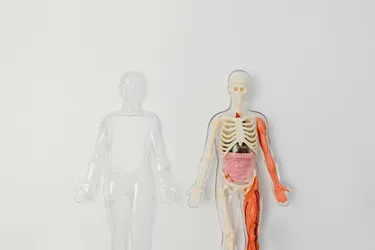
I have a gut feeling about it
- Reflection, Instinct and Practice
When we talk about “gut instinct” in practice, what are we really talking about?
Most of us have experienced it before. That feeling that something is not quite right, or conversely, a quiet sense that a situation feels safe or trustworthy before we can fully explain why. In conversation, these moments are often described, and sometimes brushed off, as intuition or “a gut feeling”. However, in the human services sector we also hear practitioners saying things such as ‘sometimes you just have to go with your gut’ and so factor these feelings into decision-making and at times place significant value on these “instincts”.
But perhaps what we call instinct is often something more learned than innate.
Our brains and bodies are constantly taking in information. Experiences, relationships, environments, stories, systems and contexts all shape the way we interpret situations and respond to people. Over time, patterns become familiar and responses become quicker and more automatic. In this sense, our “gut instincts” are often built from accumulated experience, the integration of what we have seen, learned, felt and practiced throughout our professional lives.
This can be incredibly valuable and our trust in these ‘professional instincts’ which in practice can look like an ability to recognise subtle cues, notice relational dynamics or attune to shifts in emotion often grows with experience and are actually skills that develop over time. However reflection plays an important role in this process. It allows us to make meaning from our experiences rather than simply repeating them. Through reflective practice, supervision and thoughtful conversation, we gradually build habits of noticing, responding and relating that are more intentional and attuned.
In many ways, reflection is what helps transform experience into insight and in turn helps to inform our future actions. Or, as John Dewey put it, “We do not learn from experience… we learn from reflecting on experience.”
But there is another side to this too.
If our instincts are learned, then they can also be shaped by bias, fear, assumptions and unexamined values. Without reflection, our “gut feelings” may simply reinforce dominant narratives, stereotypes or defensive ways of working rather than thoughtful and ethical practice. What feels immediate or certain is not always accurate, and our ability to put a “pause” in our practice is central to taking a more considered and holistic perspective.
This is particularly important in relational work where power, culture, trauma and difference all influence how we perceive and respond to others. Sometimes what we experience as discomfort may indeed signal risk or concern. At other times, it may reflect unfamiliarity, personal history, implicit bias or organisational conditioning.
The challenge is not whether to trust our instincts entirely or ignore them altogether.
Rather, it may be learning to become curious about them.
What is this feeling trying to tell me?
Where might it come from?
What experiences have shaped this response?
What assumptions might also be present here?\
Interestingly, these ideas connect with growing conversations about the relationship between the brain and the gut. In a recent podcast conversation (which we have linked below), gastroenterologist Trisha Pasricha and organisational psychologist Adam Grant explore the science behind “gut feelings” and the communication that occurs between our brains and bodies. The episode highlights that our bodies can sometimes detect signals before our conscious minds fully process them, but also reminds us that context and interpretation matter.
Perhaps this offers a useful reminder for practice. Our bodies and instincts hold important information, but thoughtful practice requires more than automatic reaction. Reflection helps us slow down enough to examine what sits underneath our responses so that our instincts become informed not only by experience, but also by curiosity, ethics, accountability and care.
Maybe what we are trying to achieve is not simply to “listen to your gut”, but to continuously learn what has shaped it.
ThinkWell Tidbit
Did you know that a “lightbulb moment” is literally a burst of activity in your brain? And for that burst of activity to form lasting neuronal connections (and move to your long-term memory), you need to intentionally pay it repeated attention. So when you have that “a-ha!” moment in training, or in a conversation, or reading…it might not stick, thanks to our brain’s preference for what is already known and familiar. Make sure you come back to it! Think about it, link it to your work, talk to others about it. The more you revisit your insight, the more you’ll be able to integrate it without having to spend a lot of neurobiological “energy” on retrieving it.
Our impact in practice
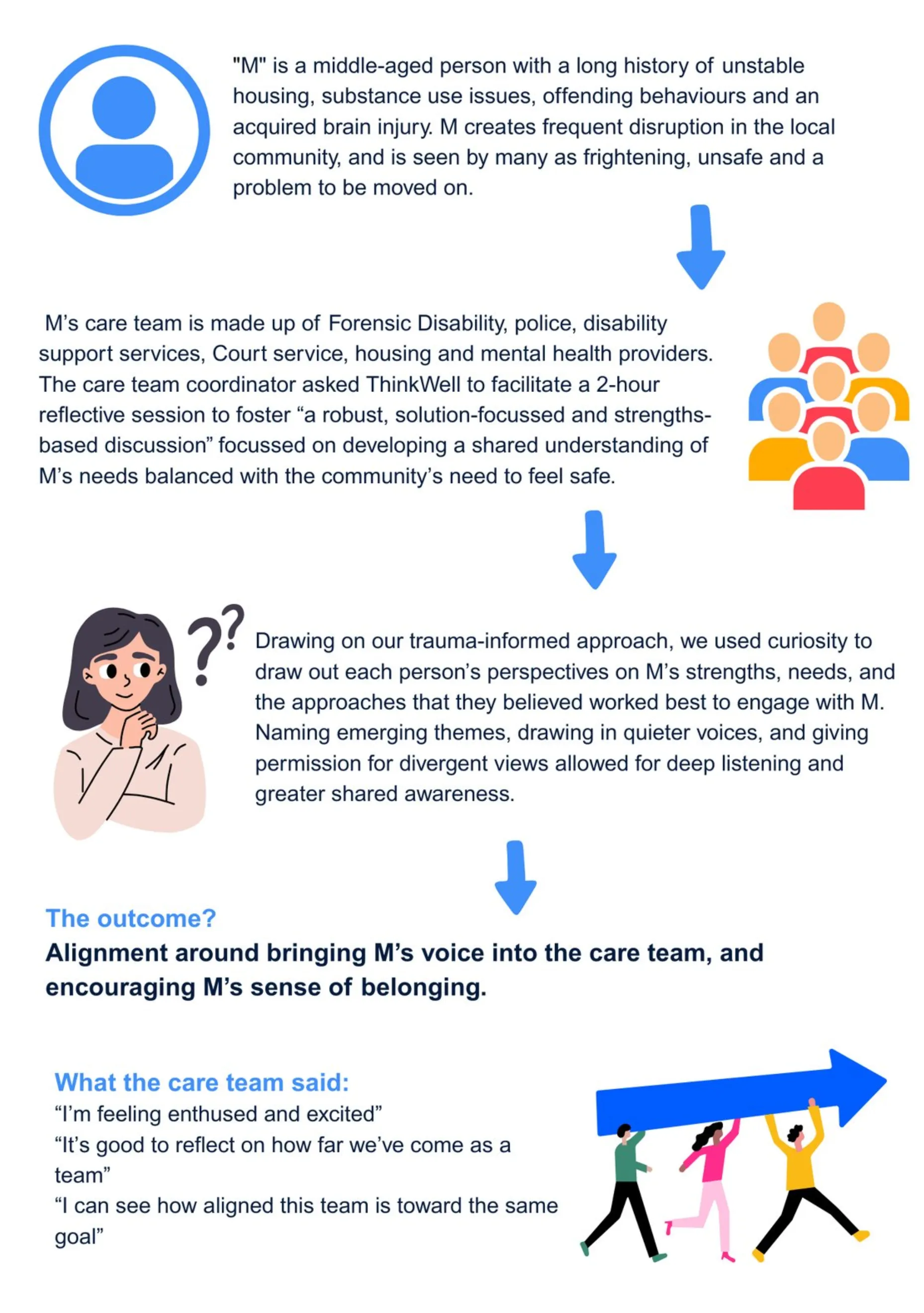
Bringing clarity to complexity: Care team reflective practice
The brain building bit
Interesting conversation about the risks and rewards of following your “gut instinct”.